
Introduction: Where Passion Meets Precision

A cult object for over 70 years, vinyl is enjoying a remarkable comeback. In an age dominated by digital sound, it continues to win over artists, record labels and music lovers around the world. Why? Because it embodies both the warmth of analogue sound and the authenticity of a tangible object, shaped by human hands.
But behind every black disc lies a fascinating process — where the art of sound meets industrial precision. At MPO, a historic leader in vinyl pressing in Europe, every stage is carried out with unmatched expertise: from the groove engraved on the lacquer to the finished sleeve ready to ship.
Step behind the scenes of a craft where passion and precision come together as one.
From Sound to Disc: Mastering and Cutting
Vinyl Mastering, A Science of Its Own
Before sound can become a vinyl record, it must be mastered specifically for this format. Unlike digital mastering, where the dynamics are often compressed, vinyl requires a delicate balance between low, mid and high frequencies.
The purpose of vinyl mastering is to adapt the music to the physical constraints of the groove: too much amplitude can cause the stylus to skip, while excessive compression can flatten the sound and reduce its richness.
At MPO, mastering is carried out in-house, in close collaboration with artists and sound engineers. This approach ensures full control over the sound quality — even before the cutting stage begins.
Lacquer Cutting: Choosing the Analogue Sound
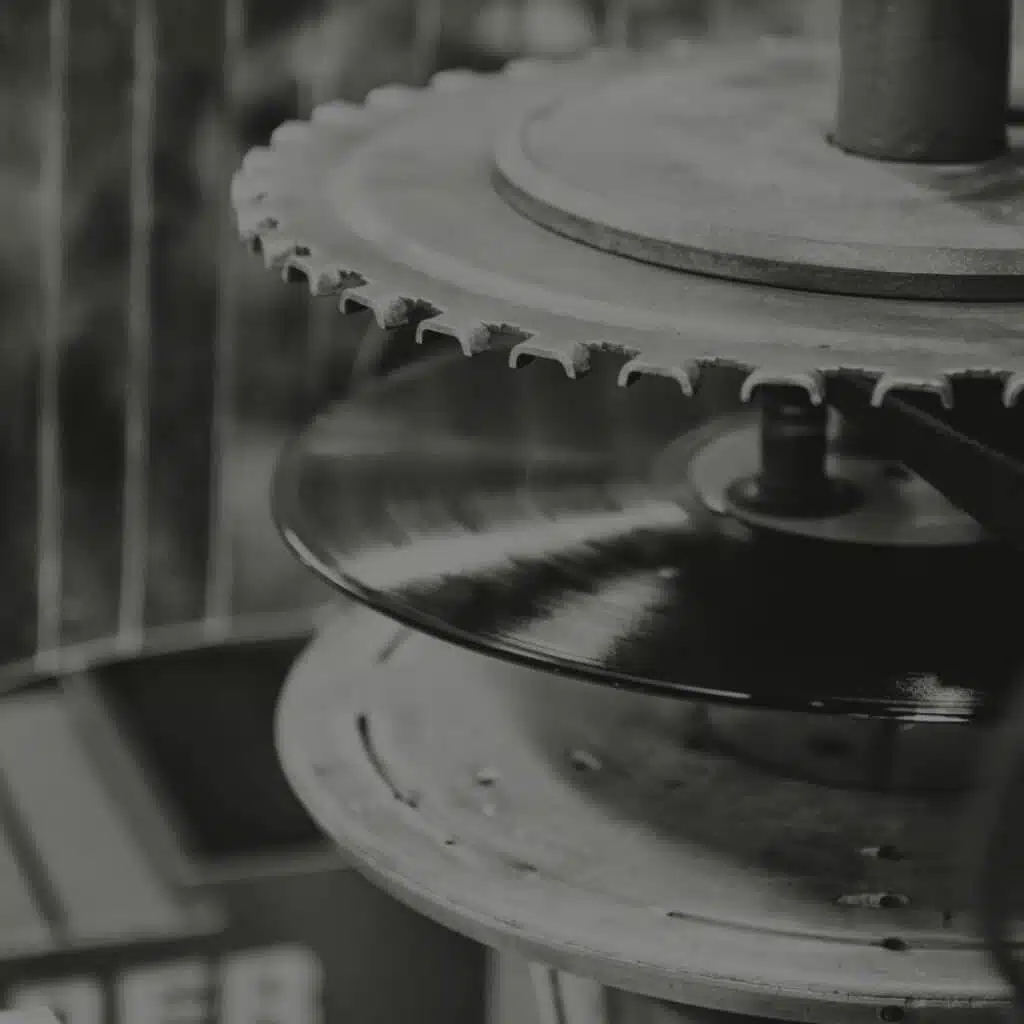
This is where music literally takes shape. MPO has chosen the Lacquer Cut method — cutting onto lacquer rather than using Direct Metal Mastering (DMM).
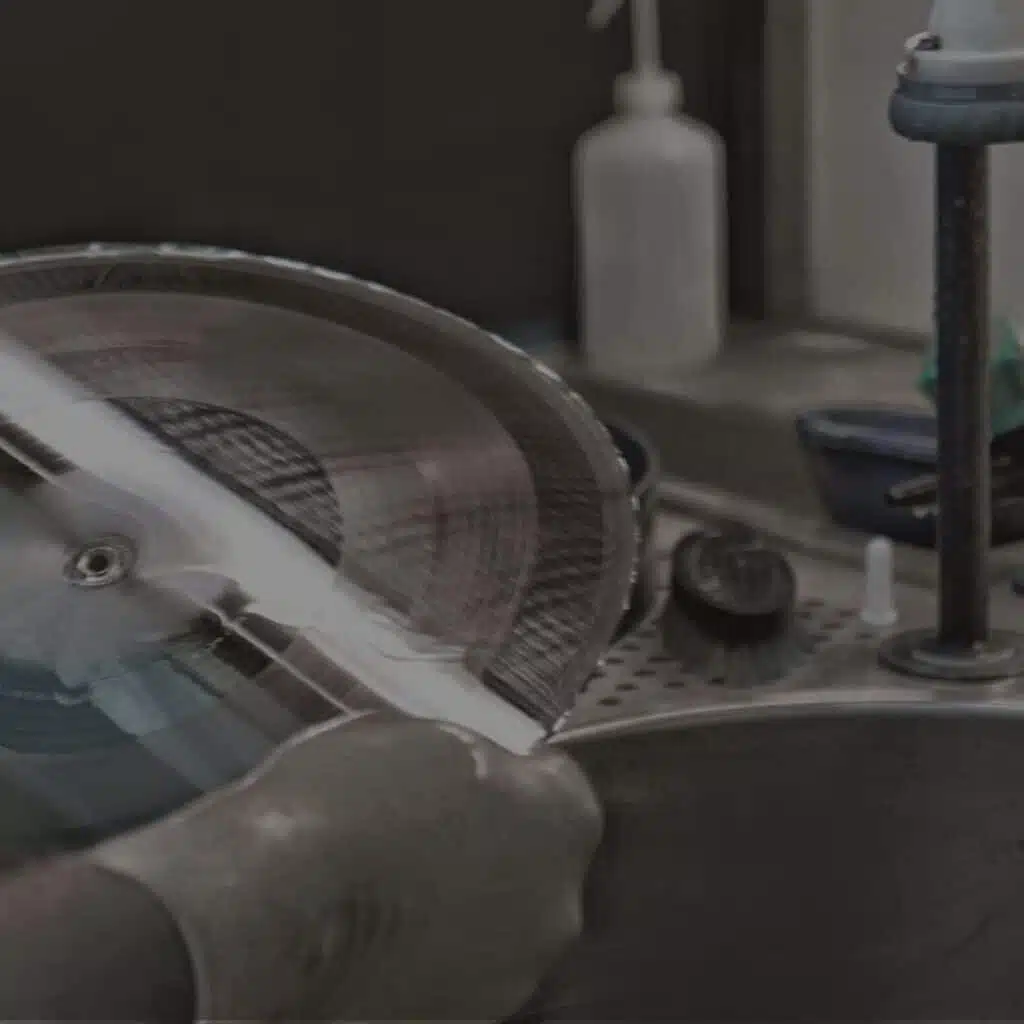
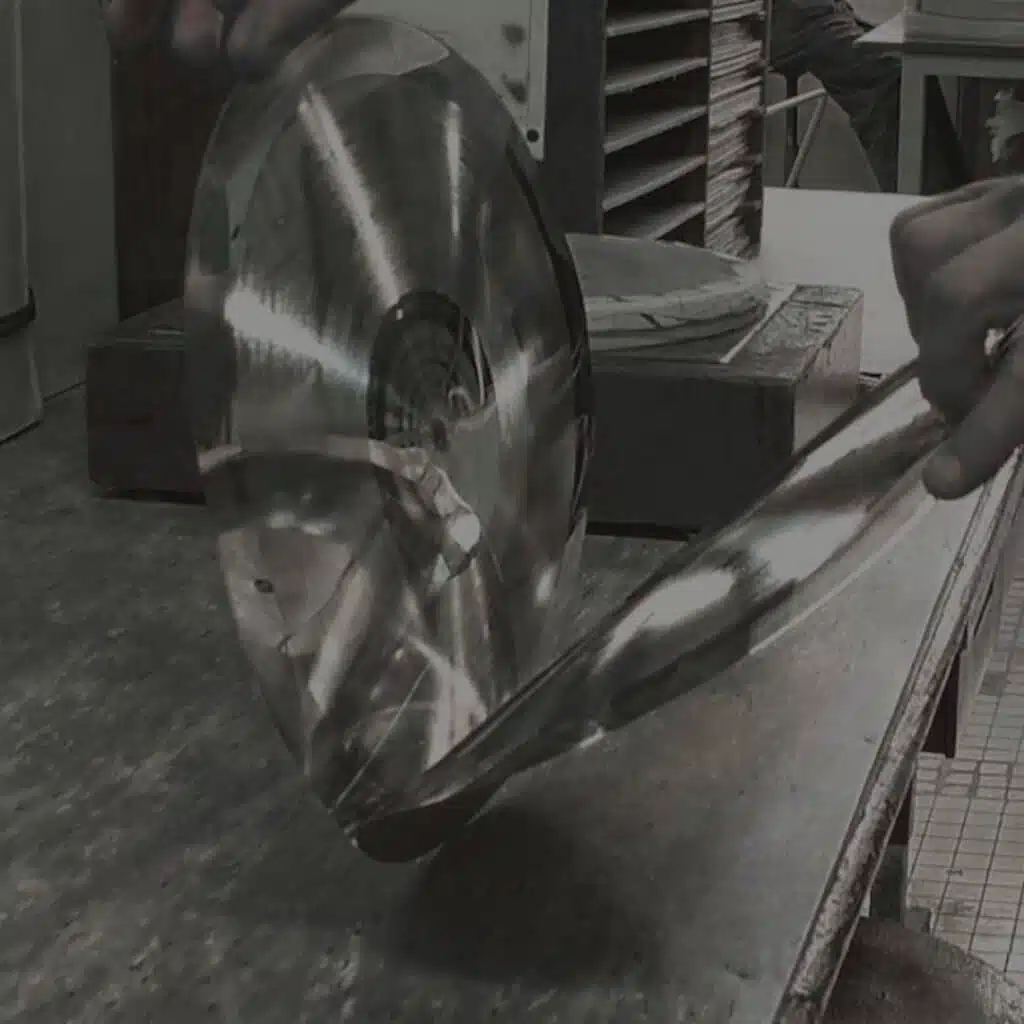
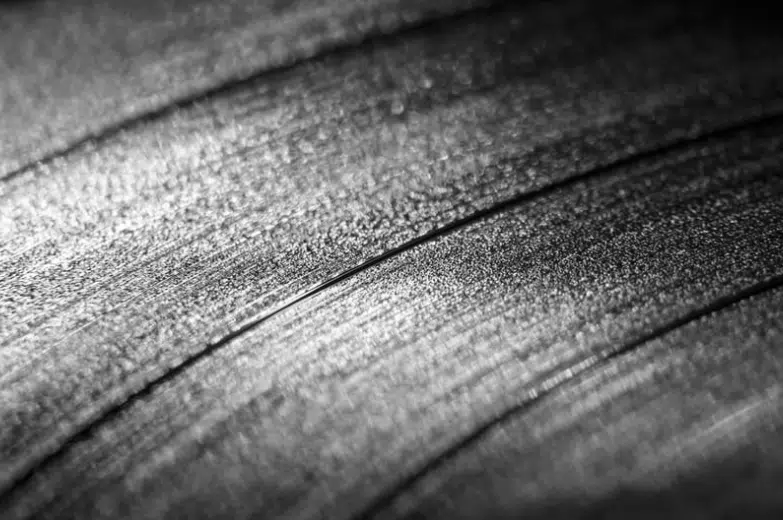
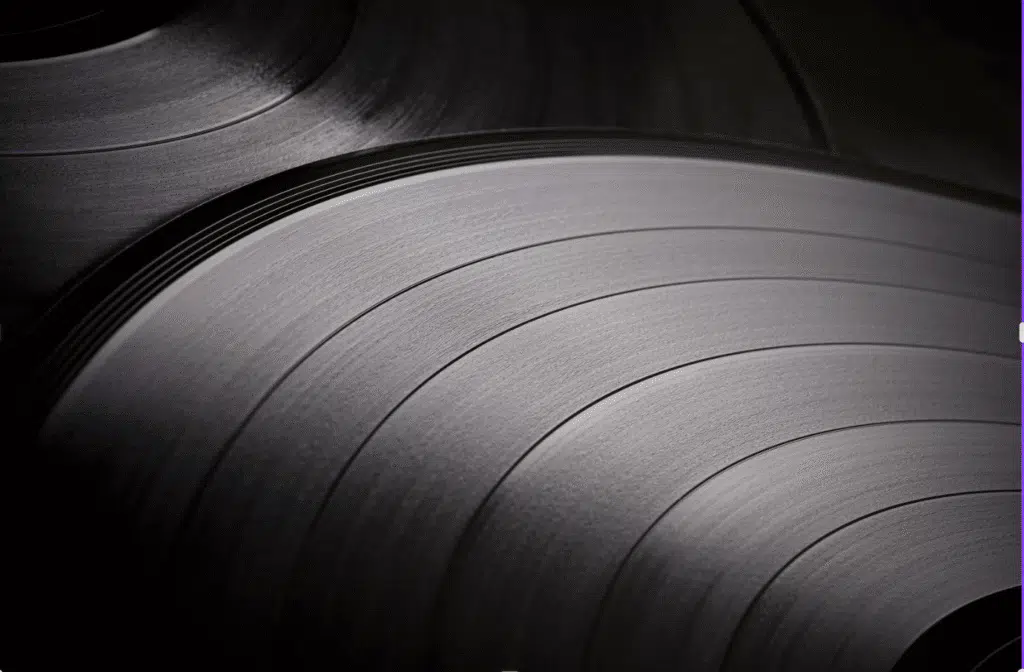
In practice, a fine layer of lacquer is applied to an aluminium disc. A cutting head then inscribes the sound waves into the surface, groove by groove, capturing every nuance of the recording.
Rich, rounded tones: the flexibility of the lacquer allows for deeper bass and more organic midrange frequencies.
Historic authenticity: this is the traditional vinyl method, used since the earliest days of analogue recording.
Artistic flexibility: lacquer better accommodates dynamic variations and preserves the depth of the mix.
A living sound: unlike DMM, sometimes described as too “clinical”, lacquer cutting delivers a more “human” and musical feel.
Direct Metal Mastering (DMM), which engraves directly onto a copper disc, offers certain advantages — durability and precision among them — but often results in a brighter, sometimes colder sound.
At MPO, the choice of lacquer comes naturally. It reflects the sonic signature sought by artists and labels who value an authentic analogue sound, true to the original recording.
Pourquoi le choix du lacquer est stratégique
- It meets the expectations of artists and record labels looking for warmth, depth and authenticity in their sound.
- It reinforces MPO’s position as a guardian of analogue quality, true to the historic standards of vinyl production.
- It differentiates MPO from competitors by offering a premium listening experience tailored to the desires of collectors and audiophiles.
The Master Disc and Electroplating: From Groove to Mould
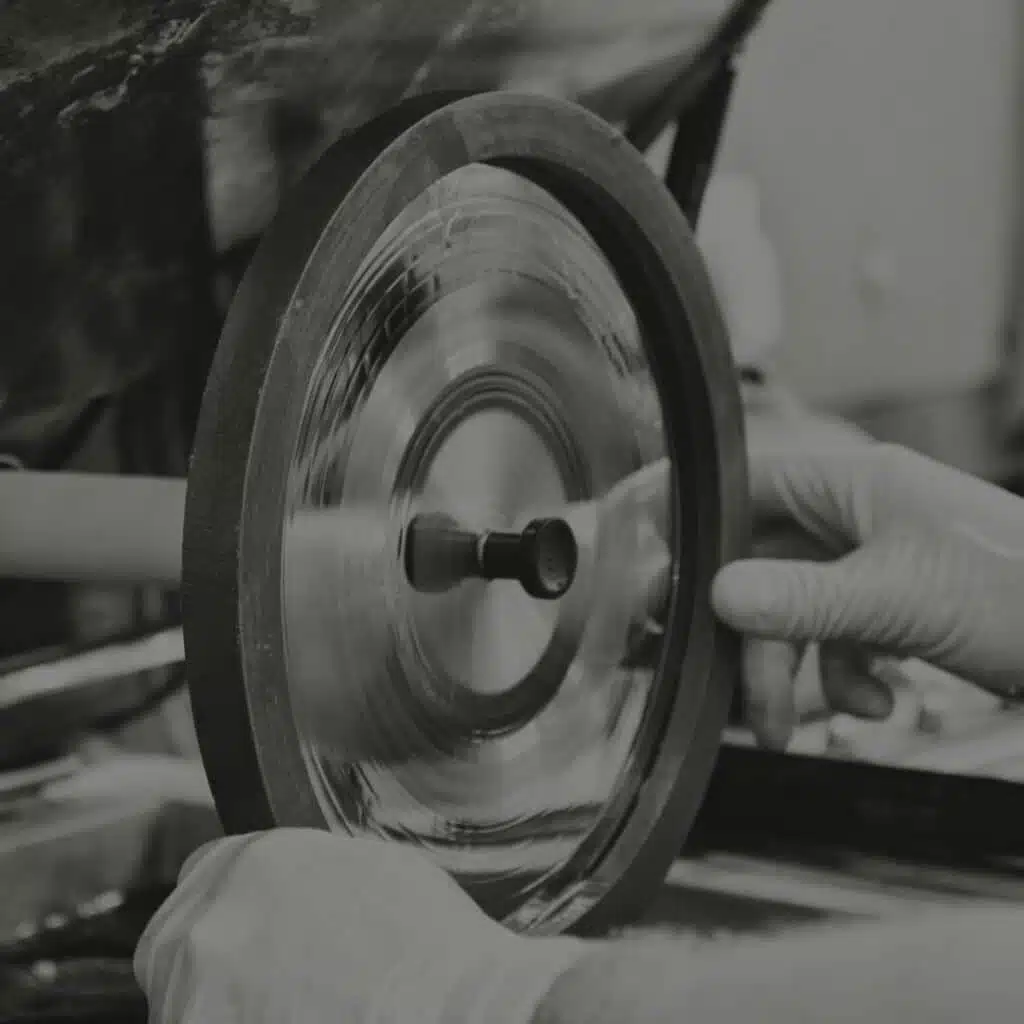
Once the lacquer has been cut, it becomes the master matrix for the entire process. To press thousands of records without damaging it, an exact replica must be made. This is where electroplating comes in.
The lacquer is first coated with a fine layer of silver, then immersed in a nickel bath. Through electrolysis, a metal negative of the groove, known as the father, is created. From this, MPO produces a mother, and then the stampers, which are the moulds used for pressing.
Each stage demands micron-level precision. The slightest imperfection could cause unwanted noise or distortion on the final record. It is a true work of industrial precision, where technology and human expertise come together seamlessly.
Pressing: When Vinyl Comes to Life


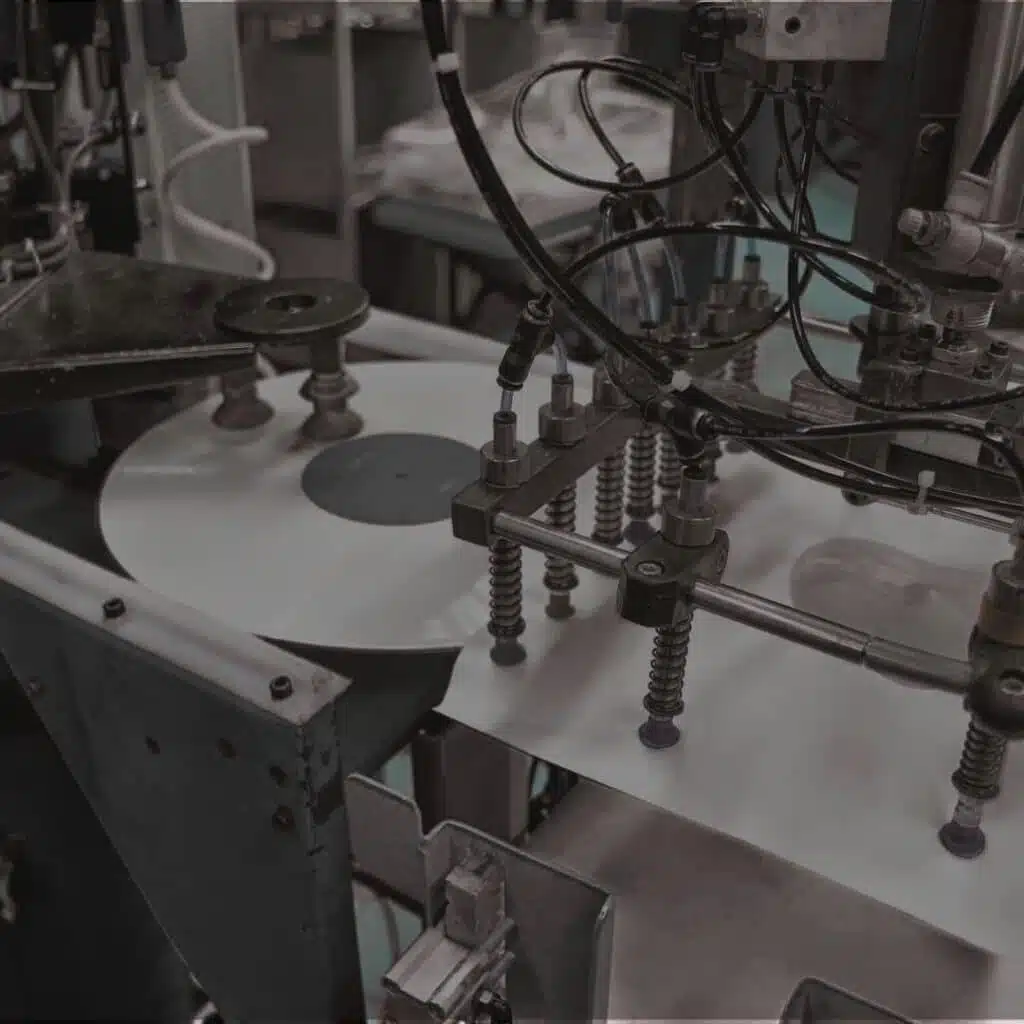
Virgin PVC pellets are heated to around 160°C until they become malleable. This black compound is then placed into a hydraulic press, where several tonnes of pressure shape and engrave it into a record. In about twenty seconds, the vinyl takes form.
After pressing, a trimming stage removes any excess material, leaving perfectly clean edges. This crucial stage is carried out entirely in-house at MPO, using a dedicated fleet of presses suitable for all formats — 7’’, 10’’ and 12’’ records.
Variants and Finishes:
- 180-gram vinyls offer greater stability.
- Coloured or transparent records are perfect for limited editions.
- Picture discs feature an image embedded directly into the record itself.
- In Numbers
Pressing temperature: 160°C
Pressure: several tonnes
Average cycle time: 20 seconds per record
Quality Control: Precision in the Service of Sound
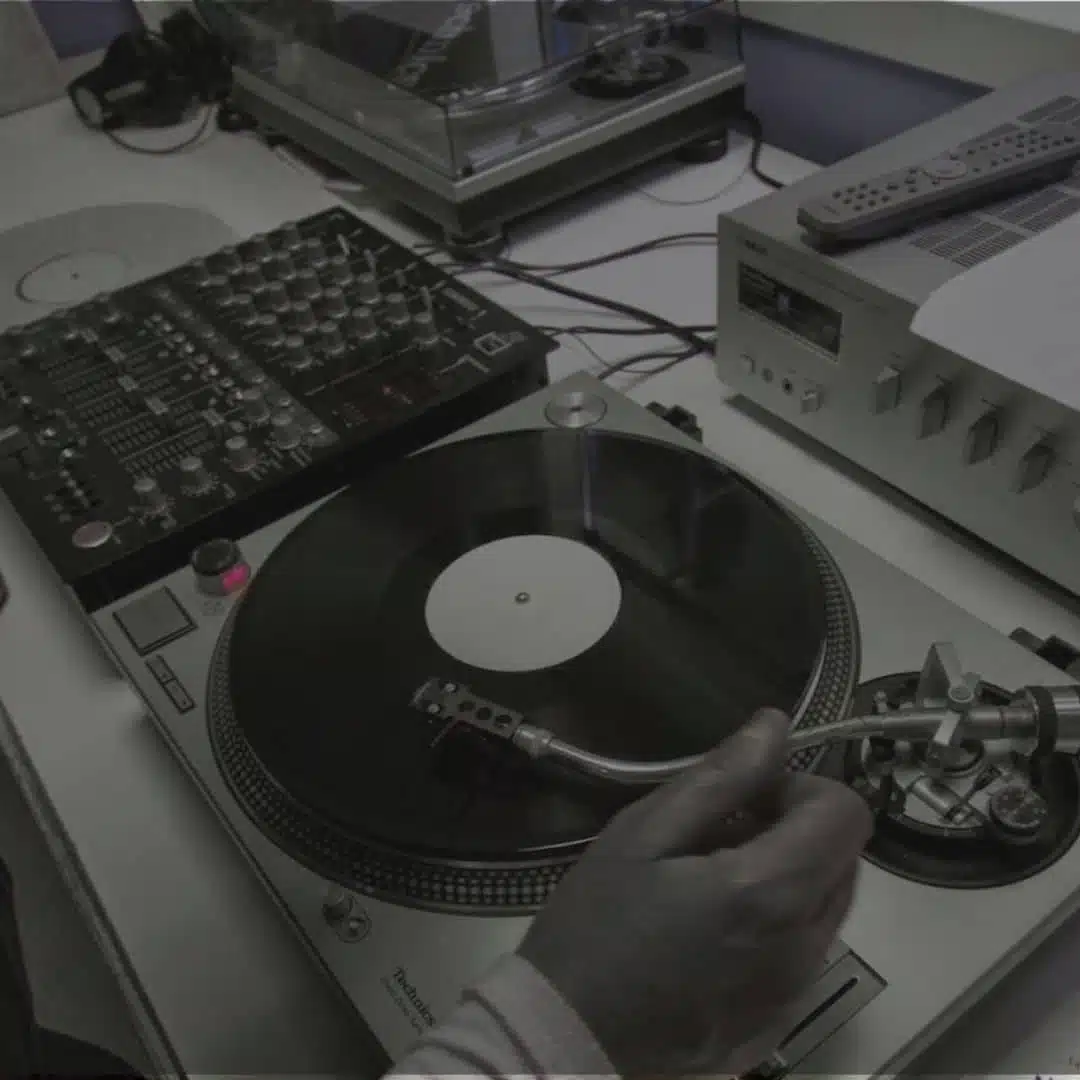
Before full-scale production begins, MPO carries out several test pressings sample records produced from the first matrices.
These pilot discs are carefully listened to by sound engineers and quality technicians under optimal listening conditions, similar to those of mastering studios.
During this stage, every sonic detail is examined with precision. The team checks for the presence of clicks, pops or surface noise that may result from impurities or poor stamper alignment. The left/right balance is analysed to ensure a faithful stereo image.
The dynamics and depth of the mix are compared with the approved premaster, and the silences between tracks are carefully inspected, as they often reveal imperfections in the electroplating or pressing process.
Du packaging à l’expédition : l’art de la finition
A vinyl record is only complete once it has been placed in its sleeve. At MPO, packaging is an integral part of the production process.
The company operates its own in-house printing workshop, producing standard and gatefold sleeves, inserts, booklets, stickers and OBI strips, as well as high-fidelity offset printing with selective varnishes.
This in-house expertise ensures consistency, short lead times and unwavering quality. Each order is then packed and shipped with care, ready to reach artists, record labels and distributors.
Innovation and Tradition: The MPO DNA
Did you know?
MPO produced its first vinyl records over 65 years ago and remains one of the leading players in European vinyl pressing.
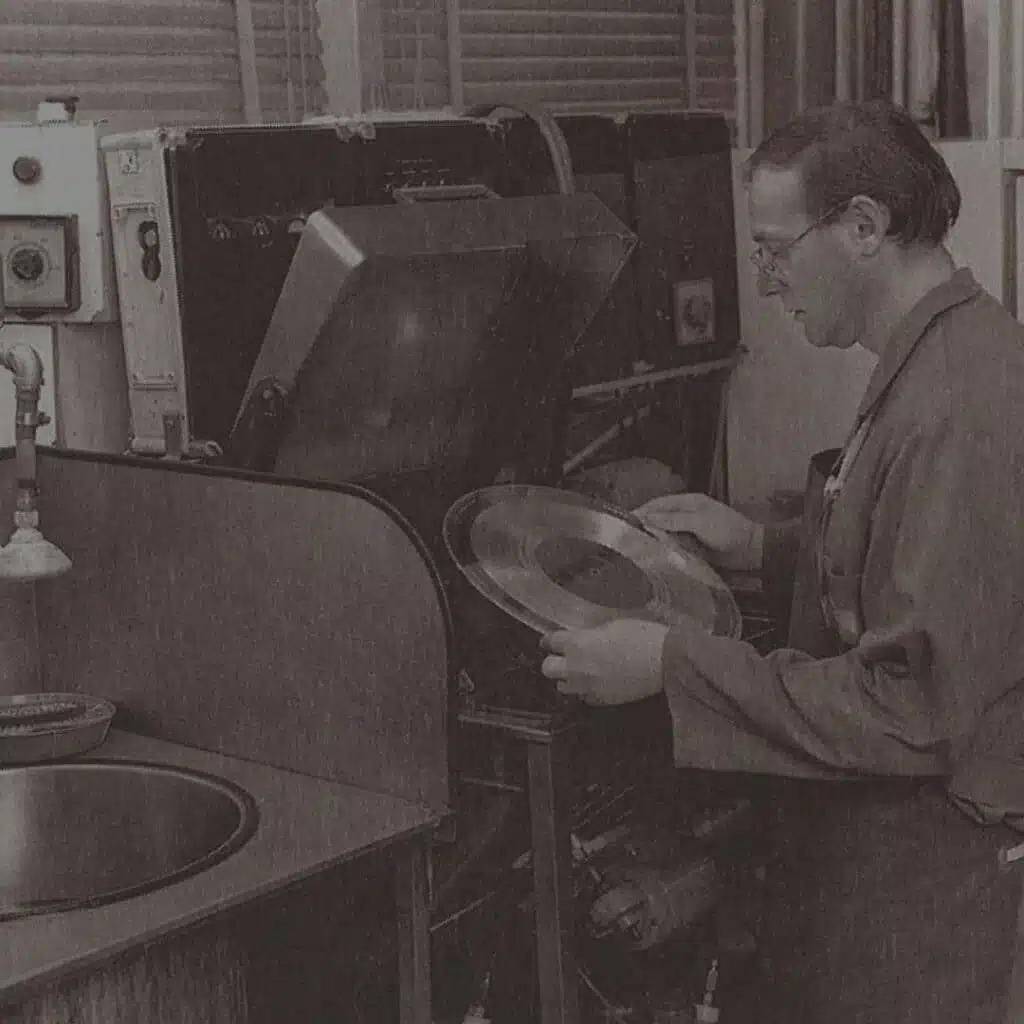
Founded in 1957, MPO (Moulages et Plastiques de l’Ouest) was among the pioneers of vinyl manufacturing in Europe.
While the company has embraced every sound revolution: from the CD era to digital streaming; it has never lost sight of its analogue heritage.
Today, MPO combines:
- a modern and responsible industrial infrastructure, including PVC recycling and energy optimisation,
- with human craftsmanship passed down through generations,
- close collaboration with artists and record labels across the world.